

General
Powerhouse Energy a british company delivering multiple solutions with the DMG process
I'm a long term Investor in the company/startup and may be biased, keep that in mind. I want to share with you my dense research with many sources and my thesis why I invested in them and what I think there are groundbreaking potential applications of the process and why there isn't a direct competitor if you look into other company's processes, techniques and the moat. I hope you will enjoy this piece of analysis! I'd like to get feedback and called out on my blind spots! I tried to be as precise as I can. Below some pictures of the functioning and running prototype, the testing unit for interested companies (https://www.powerhouseenergy.co.uk/test-centre/)
.
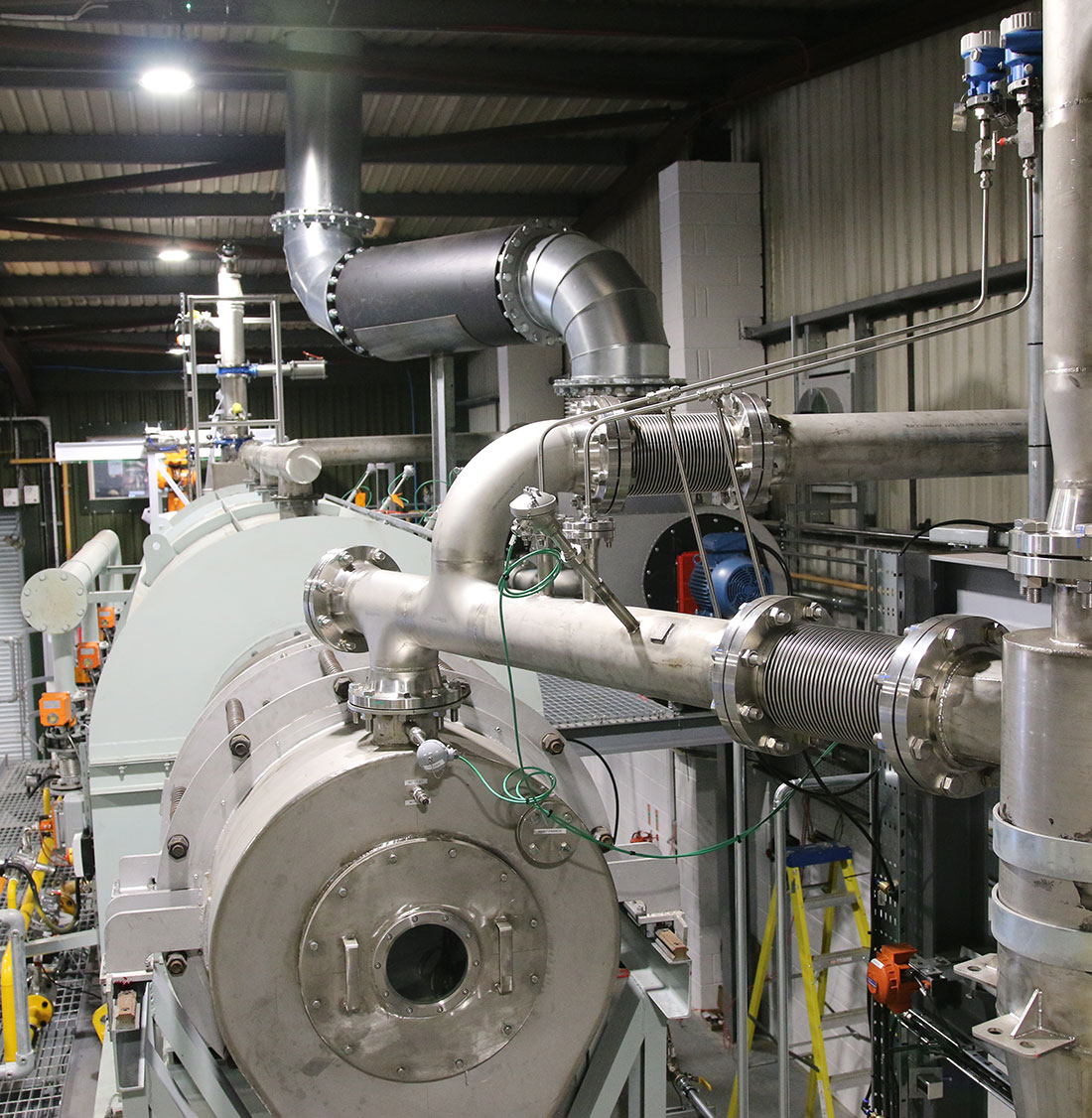
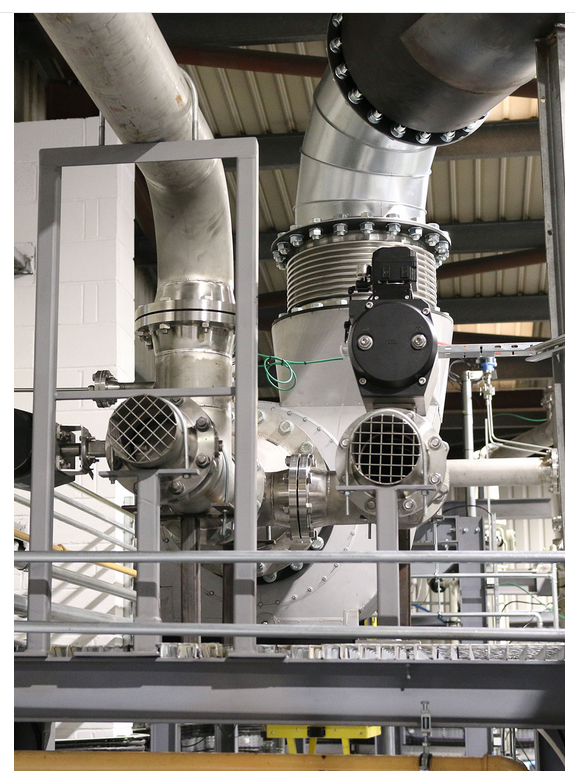
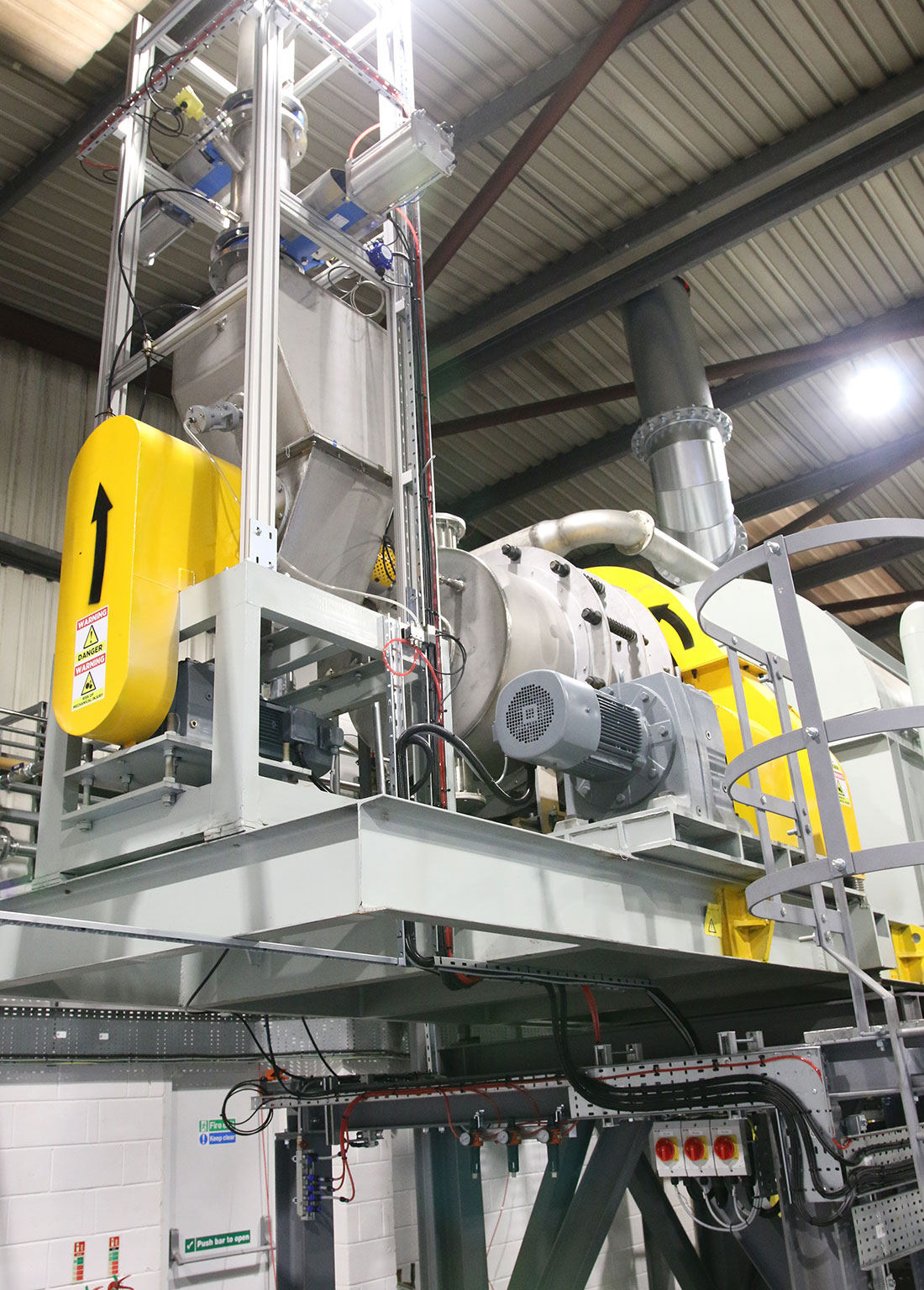
Powerhouse Energy PLC - Converting Waste to Hydrogen-Tech, Market and Outlook:
Powerhouse Energy Group Plc (AIM:PHE) is a UK-bases pioneer in waste to hydrogen technology. They use their patented Distributed Modular Generation (DMG®) process. The company aim is to turn non-recyclable waste (like plastics and end of life tires) into valuable products such as hydrogen fuel and electricity. I will provide you with some investor focuses analysis of PHE tech, the business model, market opportunity for waste derived hydrogen in the UK/Europe/the world, the competitive landscape and the latest developments (since 2024) shaping the company's trajectory.
DMG® Technology and Business Model
The proprietary Waste to Energy Process:
The core innovation of PHE is its DMG thermal conversion process, which heats waste in the absence of oxygen(pyrolysis) to produce a hydrogen rich synthetic gas(syngas). The feedstock can include unrecyclable mixed plastics, rubber tyres, and other refuse that would otherwise got to landfill or incineration. In a typical unit, approximately 35-40 tonnes of waste per day can be processed, yielding roughly 2 tonnes of road fuel quality hydrogen + 58 Mwh of exportable electricity per day.
Unlike incineration, the DMG process avoids direct combustion. Instead it breaks down hydrocarbons in a rotary kiln reactor and captures a portion of carbon as a solid char residue rather than emitting it as CO2. That not only reduces greenhouse gas emissions but also produces potentially useful carbon solids, creating a cleaner method of energy recovery from waste.
https://www.powerhouseenergy.co.uk/technology/#:~:text=Our%20process
Outputs and Monetization:
The syngas produced is versatile it can be combusted in gas engines/turbines to generate electricity and heat, or further refined to extract high-purity hydrogen (99.999%) for fuel cell and industrial uses. The company plans to monetize the technology in several ways:
Hydrogen fuel sales to emerging hydrogen transport and power markets -> agreement to provide hydrogen to a fuel cell power project in Northern Ireland at a price below that of "green" electrolytic hydrogen. https://www.investing.com/news/company-news/powerhouse-energy-signs-hydrogen-supply-deal-for-ballymena-project-93CH-4121959
Electricity and Heat: A DMG unit can generate excess electricity (~58 MWh per day) for export to the grid or local use. Additionally, waste heat form the process can be captured for heating networks or industrial processes, adding another income stream/efficiency benefit. https://www.hydrogenutopia.eu/news/7-10-21#:~:text=Powerhouse%27s%20technology%20is%20one%20of,HfW%29%20
Tipping Fees and Carbon credits: Because DMG facilities help dispose of problem plastics and reducing the plastics pollution in the environment they may earn tipping fees( payments for taking waste, akin to landfill fees) from waste handlers or municipalities.
Moreover, by preventing plastic from landfill/ using old landfills or incineration (and by sequestering carbon in char), the process could potentially generate carbon credits or qualify for low-carbon fuel incentives if regulatory framework allow. Some competitors claim their waste to hydrogen approaches achieve "carbon-negative" hydrogen, capturing up to 30 kg CO2 per kg H2 produced. Powerhouse's process similarly aims to maximize carbon capture in solid form to minimize net emissions.
Licensing & Royalties: A cornerstone of the business modelis licensing DMG technology to project developers. The company historically set a target license fee of around 500 000 pound per DMG unit commissioned and seeks ongoing royalties from hydrogen or power sales. This capital-light approach means rather than owning dozens of plants outright, PHE can earn fees and royalties by enabling third parties to deploy its systems. For instance PHE has a 5 year framework agreement with Australia's National Hydrogen(NH2) to license DMG for multiple projects in Australia,Italy,Switzerland and Hong Kong, under a deal structured to provide PHE with licensing income and royalties on each project.
Engineering & Services in house: In 2022 PHE acquired Engsolve Ltd, an engineering design, project management, and testing services, both for PHE's own projects and external clients. This has already provided early revenues (nearly 500k pound in 2024) and an "owner's engineer" role in projects, bridging the gap until recurring license fees and hydrogen sales materialize.
Intellectual Property and Partnerships: PHE's DMG process is patented and protected in major markets. As of 2025 the company secured multiple new patents- including inventions on staged thermal treatment and steam injection in the process-granted in the US and Europe. This growing IP portfolio"provides significant protection for our technology, differentiating PHE from others in the waste to energy sector" says CEP Paul Emmitt. PHE has forged partnership to accelerate deployment with Hydrogen Utopia International collaborates with PHE to roll out DMG systems in continental Europe. HUI has exclusive rights in Poland, Greece and Hungary and is developing a pipeline such as a flagship project in Konin, Poland aiming to deploy 10 DMG units for local hydrogen and power supply. This partnership model (like HUI in Europe or NH2 in Asia-Pacific) leverages PHE's tech while the partners arranges local projects and financing which they can do better because they know the local circumstances. PHE supporting engineering for service fees and earning royalties on each deployed unit. This extends PHE's reach internationally without excessive capital outlay, and they underscore the company's strategy of joint ventures and licensing rather than standalone capital projects. PHE also has a 5% equity stake in the special purpose vehicle developing a DMG plant in Western Australia. More on this in another Post and is considering directly funding a UK project to accelerate its first commercial revenues.
Summary: PHE's business model is evolving into a hybrid approach, predominantly licensing its patented DMG technology and providing engineering services as a high margin scalable model. In addition to that selectively co developing flagship projects to ensure the success and showcase the technology. By converting a waste liability into clean energy assets they target multiple revenue streams (tech fees, hydrogen fuel sales power generation, and waste processing fees) to drive future profitability.
If you liked what you read, please comment and give feedback!
When you like I will cover more in depth for the community: their working prototype, how the process works, the collaboration with the University of Manchester for further process improvement, the improvements they did, their technology center, market Opportunities analysis, the exploration/research on non plastic feeds for use in the process!