

General
Insider Scoop
It is 2026, and while it seems surreal that 2016 was over a decade ago, the "new era" of American industry is off to a turbulent start. Production facilities across the nation are grappling with a systemic crisis: a profound shortage of skilled labor. As the veteran workforce retires, a newer generation is being forced to learn complex trades on the job, leading to missed deadlines and operational friction. This deficit is most visible in the Steel, Power, and heavy industry sectors, where the demanding nature of the work has struggled to appeal to younger demographics.
To counter this imbalance, companies with global reach are increasingly importing specialized talent from Brazil, South Korea, and Japan. These experts bring the field experience necessary to train American workers in industries previously hollowed out by decades of stagnant economic policy. This "knowledge transfer" is particularly critical in high-precision fields such as Plastic Injection Molding, Wax Form Molding (an essential component of the PCC Airfoils production process), and general metallurgy.
The financial stakes of this labor gap are high. One mid-market manufacturer, generating approximately $50 million in annual revenue, reports that the cumulative costs of improperly machined parts and quality control failures have resulted in millions of dollars in losses. While exact figures remain internal, the trend suggests that "learning on the job" is carrying a heavy premium.
In energy news, American oil companies have successfully streamlined their workflows to maintain profitability even when crude oil prices sit between $45 and $50 per barrel. This increased operational efficiency has effectively challenged OPEC’s market dominance, providing a strategic buffer for the U.S. economy despite the broader manufacturing hurdles.
One particular claim that was worrisome comes from a semi-conductor company. Below is an industry standard Thyristor. The metal flange location is a big deal. Rumor has it an intern flipped the flange location.
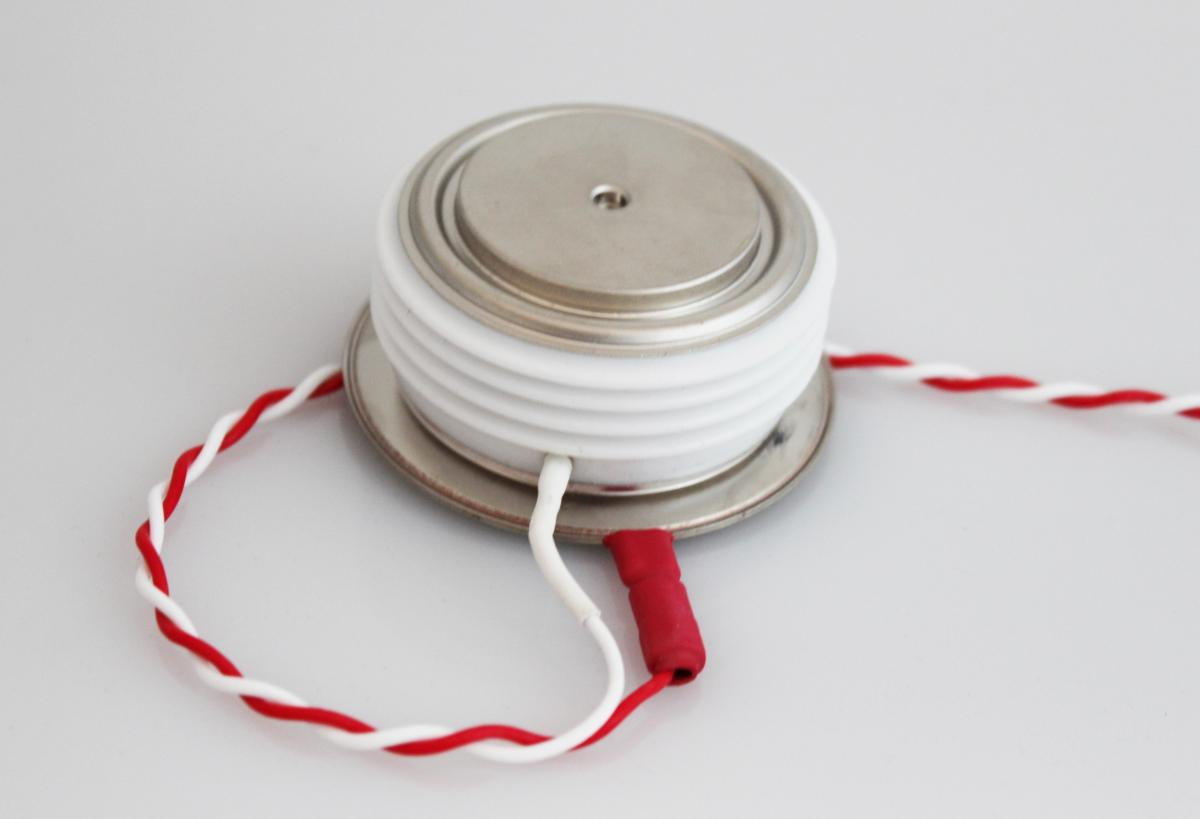
Resulted in it being different than the industry standard. Even more worrisome is an interns work was never checked !!!!.